
13 March 2025
Question of the day: HOW MUCH DOES IT COST TO PREVENT HOW MANY PEOPLE GETTING SICK?

Genesis 1:26: “Then God said, “Let Us make man in Our image, according to Our likeness; let them have dominion over the fish of the sea, over the birds of the air, and over the cattle, over all the earth and over every creeping thing that creeps on the earth””.
Some people don’t like that phrase about man having dominion over all the living creatures, and I say fair enough – but the only problem is that it happens to be true. Anybody from the past who was transported to the 20th or 21st centuries will be presented with overwhelming evidence to that effect – some positive, but the negative will stand out loud. If there were any doubts in centuries past they should be well assuaged by now, and the enormous powers of mans destruction are all around us without me even having to go into them. So whether you agree or not that man should have dominion, the inescapable fact is that because man has the power to destroy then that makes it so.

We had an Ironman on Saturday, although I figure once you’ve seen one Ironman you’ve seen them all and it was a bit too stinking hot of a day for me to envy anybody running or biking. But it can be a wonderful party day for Taupo town well into the night, and a nice time to walk or meander around on a bicycle on closed roads just like those funky Covid holidays we got back in 2020.
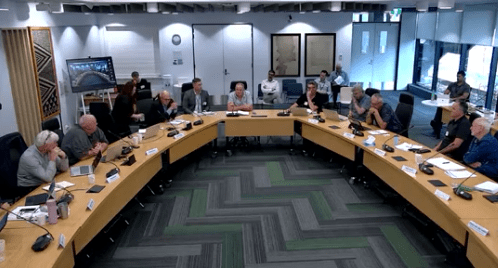
On Monday I attended the Waikato Regional Council building in Hamilton to talk about transport and public transport stuff, and did quite well on your behalf if I may be so humble to say so – I will talk about that more below, and it really has more to do with Turangi than anything else. We had another workshop yesterday for the Long Term Plan (LTP) where we talked about such exciting things as selling off Council assets on your behalf, swimming pools, and housing for the elderly. And we also yesterday had the inaugural meeting of the newly formed Water Services Committee, a not very auspicious start in my opinion but you can read about that below.
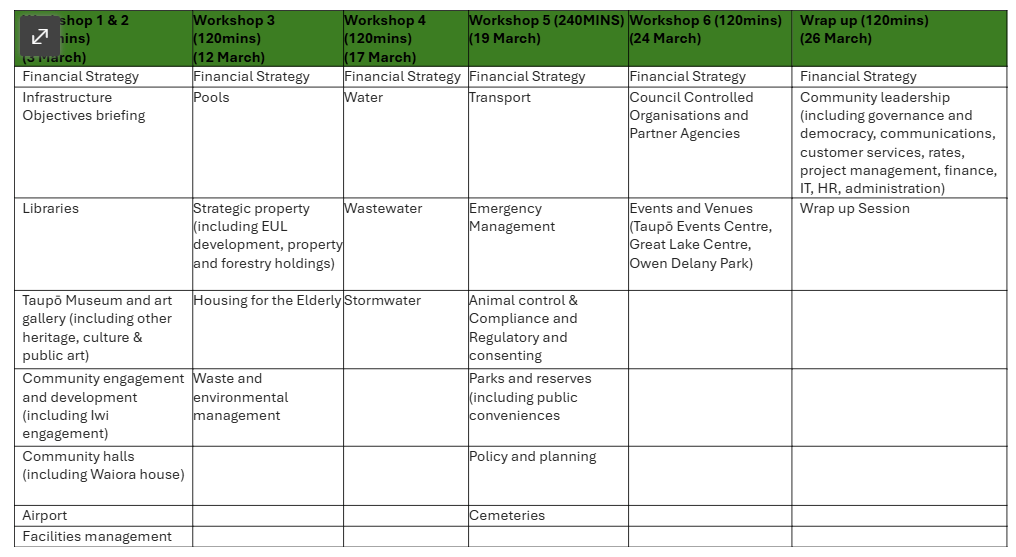
And by the way if anybody is interested in tuning into these LTP workshops (as they assert expenditure for the next ten years 2027-37 they are not unimportant), below is the schedule of topics discussed:
Okay let’s start then:

Long Term Plan thingies: We had the third LTP yesterday which you can watch HERE but at over two hours long you will need a bit of spare time. The most exciting thing discussed in terms of potential to smash your rates bill is the rationalisation of Council Strategic Assets which places like New South Wales have successfully actioned in their rates capping regime. Staff financial officer Sarah Matthews went over to New South Wales last year on a self funded trip to suss out how they do things, and tells us that similar sized Councils to us operate with around 90% less debt than here. That is a pretty big number folks, although there are a bunch of other factors than just selling the family silver to make that happen. But it would be a good start for a district like Taupo with oodles of surplus public land in its holdings, and elderly housing got passing mention in that too. Councils are not eligible for the governments elderly housing subsidies (even though they really should be), and even handing them to a private provider would be better that how we run the 57 elderly housing units which are 60% subsided by you. And if you are wondering what public reserves might be surplus and worth selling, try and think of say, a prime lake front location which hardly gets used – I can already think of one, can’t you? Anybody on neighbouring streets needn’t panic quite yet though, because it will take quite a bit of paperwork and public consultation before anything like that can happen. But something has to give if we are going to have any chance of seriously tackling the rates emergency we find ourselves in, so sometimes the few have to lose something for the betterment of all. And as I have been saying for quite some time now, the good thing about rates capping is that it can force some thinking outside of the square to help make ends meet. I do believe that is happening here, so its a well done to the Council staff from me.
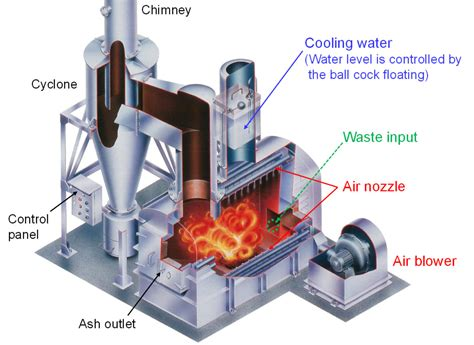
Apart from the above we did discuss swimming pools and waste management, with Turangi Cr Greenslade and myself plugging once again for free entry for under 16’s at the Turangi pools, and also a brief discussion about the expensive incineration option which a few people consistently ask about (watch from HERE).

Water Services Committee but what is it really? I have to say after yesterday’s inaugural meeting (which you can watch HERE) under the newly appointed independent chairperson Brian Hannah former Mayor of Waitomo and a few other credentials including farming, I really am wondering. Brian gives a rundown of his background at the very beginning of the meeting, and was selected after a lengthy interview process with many able applicants. But this isn’t the Infrastructure Committee which it was first mooted which could have offered oversight to things not just about water, and our chair doesn’t appear to be much interested in challenging any status quos. We had an online presentation from Tim Cadogan of the governments Water Service Authority Taumata Arowai, after which I raised the question about the Water Drinking Standards being too costly for our own good (watch from HERE). My take is that as your elected officials our role is to both ensure we are getting best value for constituents to keep rates affordable, but also that the Council provided drinking water is safe to drink. That means we don’t go spending money that we don’t really have to, and we certainly shouldn’t be putting stuff in the water that makes people sick. On that last point I raised the question of Fluoride (watch from HERE), because as a few of you may recall I am quite a sceptic of its value and an advocate for its removal. But our chair seems to think that the issue of spiralling infrastructure costs and fluoride are outside the remit of this Water Services Committee, and that water regulations are sacrosanct to be beyond reproach. I heavily disagree with this point of view, and because money doesn’t grow on trees the role of the elected is to oversee that budgets are being spent wisely and to always weigh up the benefits versus costs of any project we do. For drinking water projects, this means the question should always be:
HOW MUCH DOES IT COST TO PREVENT HOW MANY PEOPLE GETTING SICK?
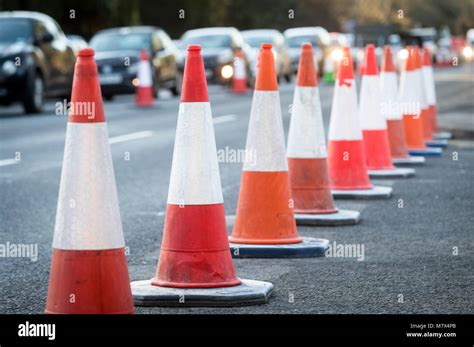
But that question doesn’t ever seem to get asked, and so we just keep on spending. So I laid out my challenge to the chairperson near the end about the purpose of this committee (watch from HERE), and Brian’s answer seemed to imply that we are here to just oversee more stuff getting built and not be asking too many probing questions. So for me, this Water Service Committee is already looking tiresome, and it is a real crying shame that the governments new rate capping regime won’t be including water services. Because if it did there would need to be a lot more critical and bottom-line thinking, and I cannot help but think of an analogy with the road cone nightmare which we are only now trying to pull back on.

Yes to Public Transport but not like that please: Okay Turangiites, I stuck up for you on Monday to push back on the Waikato Regional Council (WRC) proposed bus timetable changes to be implemented in May of this year – and I won. You can watch HERE and read the agenda item 6.3 HERE. If you weren’t aware, the Connect2Taupo bus services have been running around six years now (still described by WRC as a ‘trial’), and WRC staff came up with some proposed changes to present at the WRC Public Transport Sub-committee to which I am your representative. This is a result of public surveys that include changes to Mangakino, Tokoroa, Acacia Bay, Wairakei and Kinloch, but it was the Turangi changes which although well intentioned stuck out as decidedly dodgy. The 12-seat buses which operate two days a week to and from Turangi can get quite oversubscribed at times, and there is no on-line booking so people have on occasion been stranded.
The WRC idea was to introduce a new 33 seat bus service and for an additional day besides, but the catch was that people coming to Taupo for the day would get a reduced window of just two hours before the next bus home, reduced from the current three hours. So that would mean two hours to do all your stuff like get to the bank, shop, hospital or whatever for an equivalent duration of travel. Turangi Councillor Sandra Greenslade was instrumental in educating me about the implications, and I also took a bus trip to Turangi for the first time to have a try for myself and talk to some real users (by the way it was excellent value at just $7 each way, much better than driving that challenging road and some good conversations too). To cut a long story short, my commentary at the meeting was first about the absence of communication to Taupo District Council or bus users about the proposed changes before they were tabled on Monday for approval, and secondly to try and hash out some kind of solution because we could end up with a 33 seat bus driving around with even less passengers than before. We weren’t able to do that, so the decision (greatly assisted by chairperson WRC Councillor Liz Stolwyk) has been to defer the changes until we work with WRC staff behind the scenes. One of the bottlenecks as always is money, and an opportunity was mentioned for Taupo District Council to inject some more into it to help make things happen (remember that Regional Council rates pay for buses) – and this will need to be discussed very soon. So watch this space, and by all means try a trip on the bus to Turangi because it is great value – but please don’t push the regulars off as there are only limited seats.

Total Mobility is also part of the above committees remit, and is going to be reviewed in coming months including the capped individual trip rates for each region (Taupo’s cap is only $18.75 as opposed to the $75 used in Waikato District, for example).
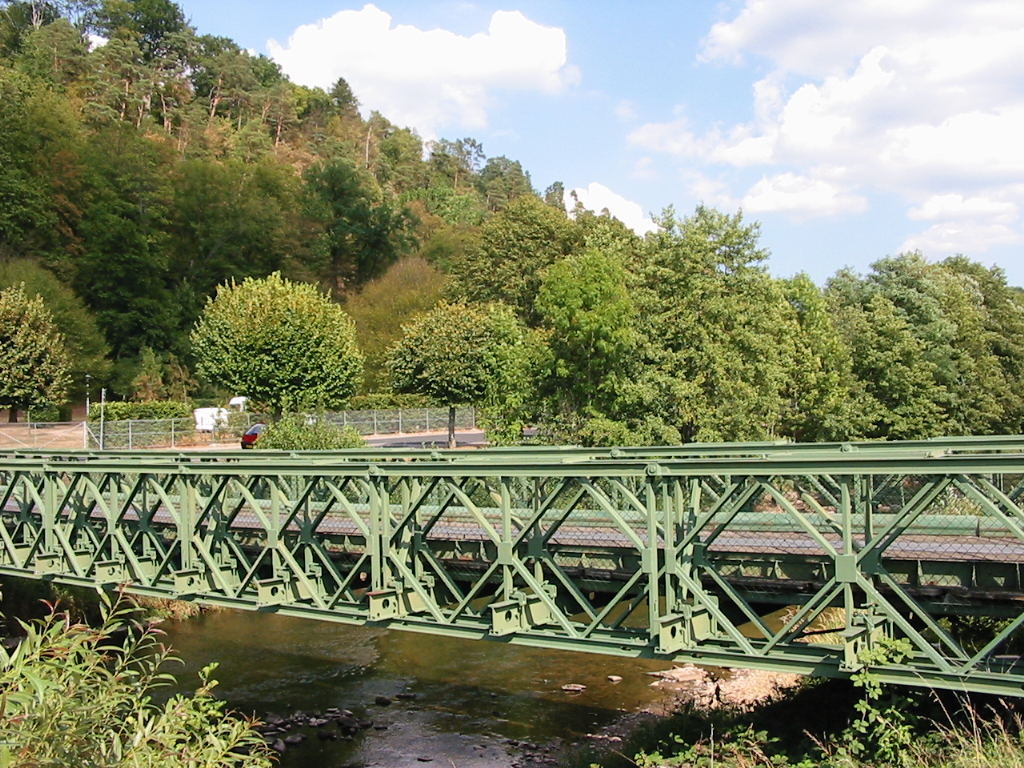
Other Regional Transport highlights: On Monday I also attended the WRC Regional Transport Committee which meets quarterly, and I did learn a few things that I didn’t know before. If you want to watch all three and a half hours of the meeting you can watch HERE and HERE. This committee is going to soon be workshopping the next ten-year transport plan for the Waikato, so now is the time to get the rest of the region thinking about things like say, an alternative inland route for SH1 between Taupo and Turangi. There was some disgruntled murmurs from Councillor Mike Keir of Waikato District Council about operational inflexibility and the excessive cost of infrastructure (Mike is a civil engineer like me and we hit it off quite well), and also from the Mayor of Thames-Coromandel District Council Peter Revell who expounded that the Bailey Bridges being used in the recent emergency response work going on up there could be multiplied all around the Coromandel as a cheap operational fix to solve so many problems.

My own contribution on this theme was to emphasise that because we are in such a rates constrained environment, our first priority as elected representatives is to keep rates affordable and that means that No.8 wire solutions instead of Rolls Royce need to start happening a lot more. I gave NZTA’s $6M installation of 5km of wire rope barrier on SH1 between Taupo Airport and SH5 as a classic example of wastage given that it only increases the cost of maintenance with virtually no safety benefits (there haven’t been any serious or fatal crashes on that stretch of road since its opening in 2012). I say that we need to get Back to Basics, and that means thinking hard about why we are doing things and not just pick out the cookie cutter solutions to try and fix all.
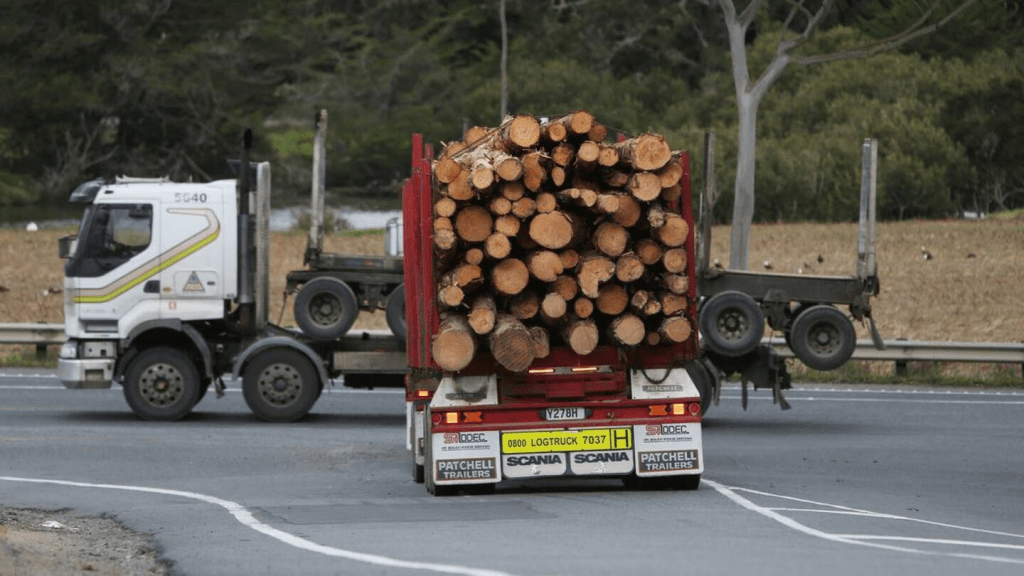
I also learned that Stratford District Council in 2022 introduced a targeted rate for forestry plantation owners to help pay for damaged roads around the district. I bet that was controversial at the time because truckies can rightly argue that is exactly why they pay Road User Charges (RUC’s) for, but I haven’t heard of this type of rating before so it should be something we can keep up our sleeves for a rainy day.

And on the topic of an inland Taupo-Turangi route, wouldn’t it just be so nice for it to happen one day? For the current lake route to turn into a tourist route only for people with time to kill one rain or sunny day, our very own Route 66 to be driven for pleasures sake and not necessity. Interestingly some representatives from the trucking industry were also presenting at the meeting, and I asked them about the challenges of the existing lakeside road and possibility of a toll road alternative. The response was that it presents no greater hazards than many drivers are used to in other parts of the country (including one-way sections for trucks as at Tauranga-Taupo), and that a toll of $5-8 would be quite acceptable. I believe it is not just a pipe dream, and just like the ETA SH1 Taupo Bypass done in 2012 that perhaps this Council needs to start making its own waves to make it happen. I don’t mean just bleating and pleading to Wellington, I am talking about negotiating with landowners and drafting up some plans and costings. That is apparently how the ETA came about as a proposal the government couldn’t ignore, so if we did it once then we can do it again. Lets get on with it.
And in other news we have:

Hot off the press a NEW National Code of Conduct for Elected Members!!! Yes you read that right, we now have a nationwide Code of Conduct (CoC) that is to be adopted by every Council around the country in the very near future. It’s actually a surprisingly readable document and contains a few provisions that could affect how councillors speak publicly about council decisions. You can read the final version HERE
Last September I made a submission on a number of points including conflicts of interest, confidentiality, Treaty of Waitangi, and the laying of official CoC complaints (the draft version was for opening it up to members of the public – just imagine that!). My concerns were only partially addressed, and we are still left in the situation whereby information can unaccountably be classified as confidential with no measurable threshold, and there is little headway on the methodical and objective identifying and addressing of real and perceived conflicts of interest. Not only that, but staff are now able to lodge CoC complaints about Elected Members where they weren’t before (good luck on that!). I also fed into ChatGPT the new CoC to compare with the old TDC one, and here is what it came up with:
Despite the fanfare, the new Code doesn’t actually give councils much more power over elected members than they already had. The main penalties remain things like requiring an apology, suspending a councillor from committees, or restricting contact with staff. Importantly, a Code of Conduct cannot remove an elected member from office – that decision ultimately rests with voters at election time. What has changed is the process. Complaints will now be screened by an independent assessor and, if necessary, investigated by an independent investigator before the council itself becomes involved. The idea is to filter out trivial, vexatious, or politically motivated complaints before they escalate.
Interestingly, the Code explicitly states that it must not restrict robust political debate or freedom of expression. In other words, councillors are still entitled to publicly disagree with council decisions and with each other – which is an important part of a healthy democracy.There are a few subtleties councillors will need to watch. Investigators can consider patterns of behaviour over time, not just single incidents, and the Code warns against misrepresenting the statements or actions of others. That means anyone speaking publicly about council matters needs to ensure their commentary is grounded in verifiable facts.
Overall, the new national Code seems less about increasing punishments and more about standardising procedures across the country. As always, its real impact will depend on how it is applied in practice.
So for my part as Councillor Duncan, I will continue to advocate for transparency, open debate, and accountability. After all, we are elected to represent the public – not to sit petrified in the corner when difficult issues arise.
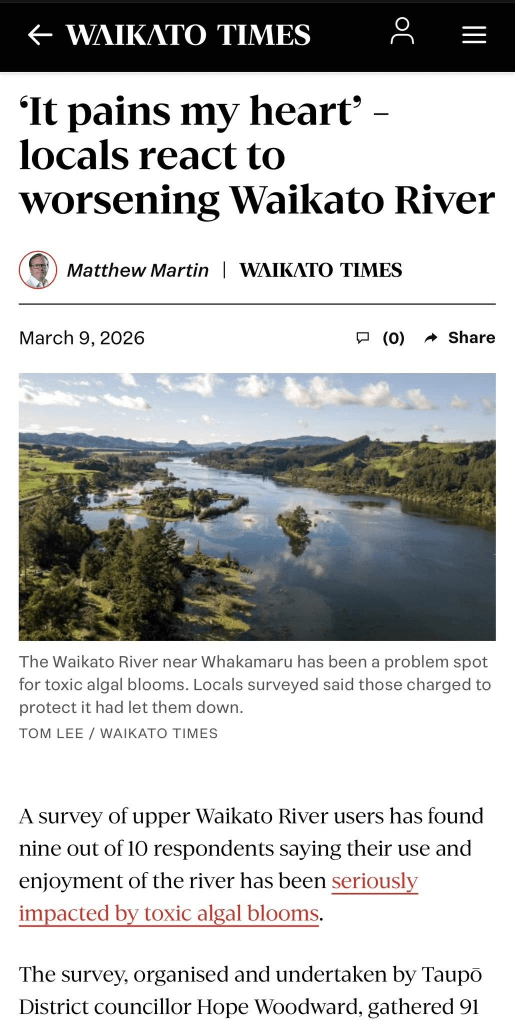
Mango makes the headlines: Mangakino Councillor Hope Woodward is keeping up the pressure to clean up the Waikato River lakes in her neck of the woods, and made page one of this weeks edition of the Waikato Times with an article you can read HERE
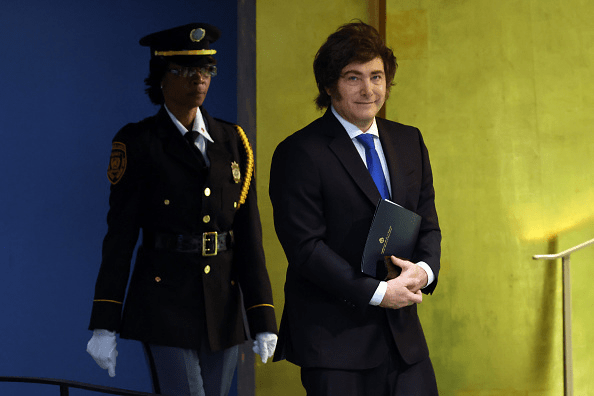
There may be hope after all: Because our Foreign Minister Winston Peters is getting friendly with the world shaking President of Argentina Javier Milei.

Why can’t we do it like that here? I have noticed that Invercargill and Queenstown have some independent media which are quite interested in what their Councils get up to, to the point that they reported in detail about Elected Member conduct during what looked to be a fairly trivial debate around a historic clock tower. I know we have a couple of independent local outlets like LakeFM, but there just isn’t the same level of interest I see happening in those places. Have a look for yourself at Crux media and Whatsoninvers to see what I mean, and I greatly encourage any would-be journalists to get your act together and make something like that happen here too.

At least we’re not Wellington: This is an interesting read from NZCPR of how Wellington politicians in 2021 chose nice-to-haves over necessaries and prioritised cycleways over water and wastewater infrastructure with now dire effects.
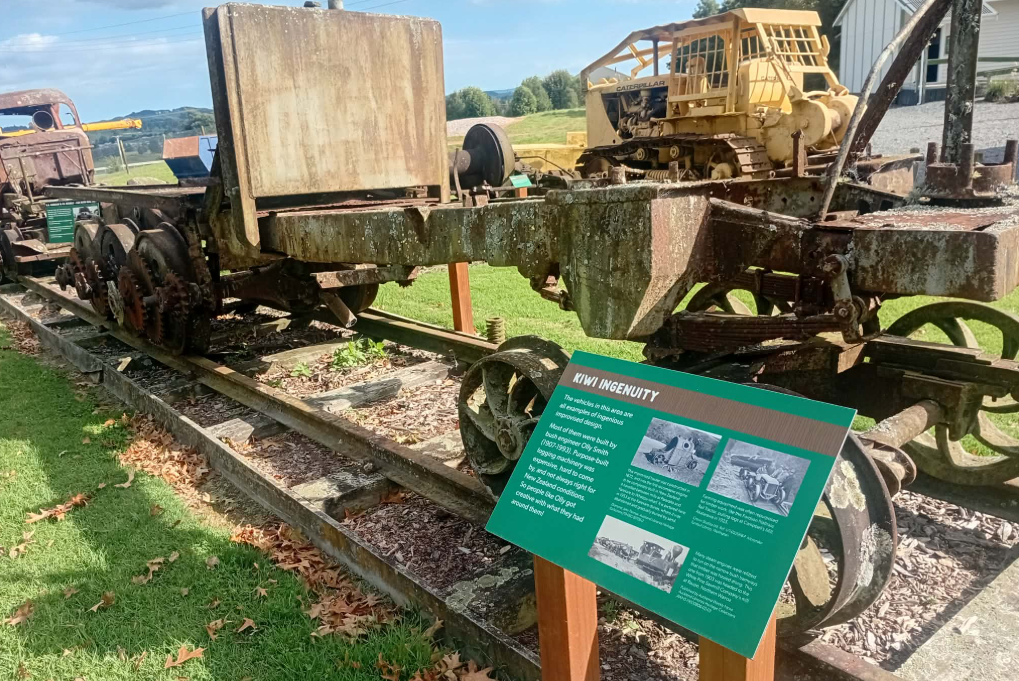
Timber Museum good: Anyone who hasn’t visited the Timber Museum in Puraruru simply should. I did on Tuesday and was blown away by how interesting it all is and what an icon it must be for the district. As a former timber mill the land and buildings were gifted(?) in the early 1970’s and it seems to have become a place to put all the local historic buildings. Its on the way to most places north, so I really do recommend a stop in and it has a good coffee shop too.
Fridays Future Forecast: Another poignant hit from Canadian singer, poet and sage Leonard Cohen, and the Oliver Stone movie Natural Born Killers it was used as a soundtrack is not too shabby either:

 duncandoestaupo.com